


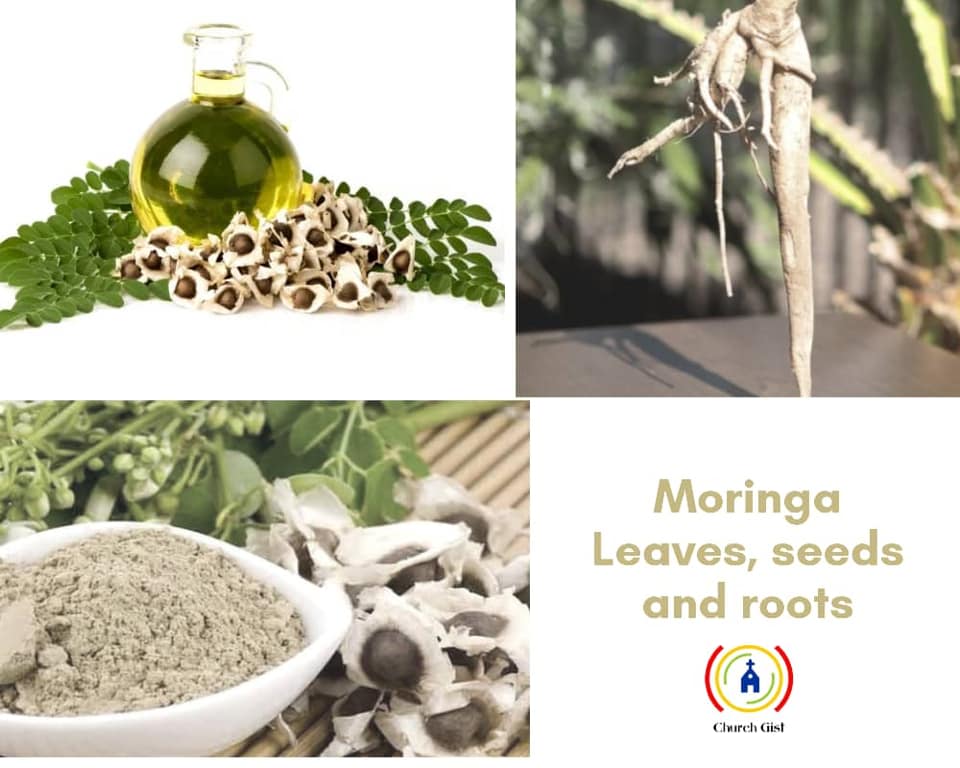
3 Benefits of Moringa Oleifera
Ezekiel 34:29
And I will raise up for them a plant of renown, and they shall be no more consumed with hunger in the land, neither bear the shame of the heathen any more.
Moringa Oleifera is one of those plants given to humans by God for their sustenance. Moringa has been praised for its health benefits for thousands of years. Throughout scriptures we see that plants, trees and leaves are one of God’s tools for our healing.
Exodus 30:23, Revelations 22:2, Jeremiah 8:22.
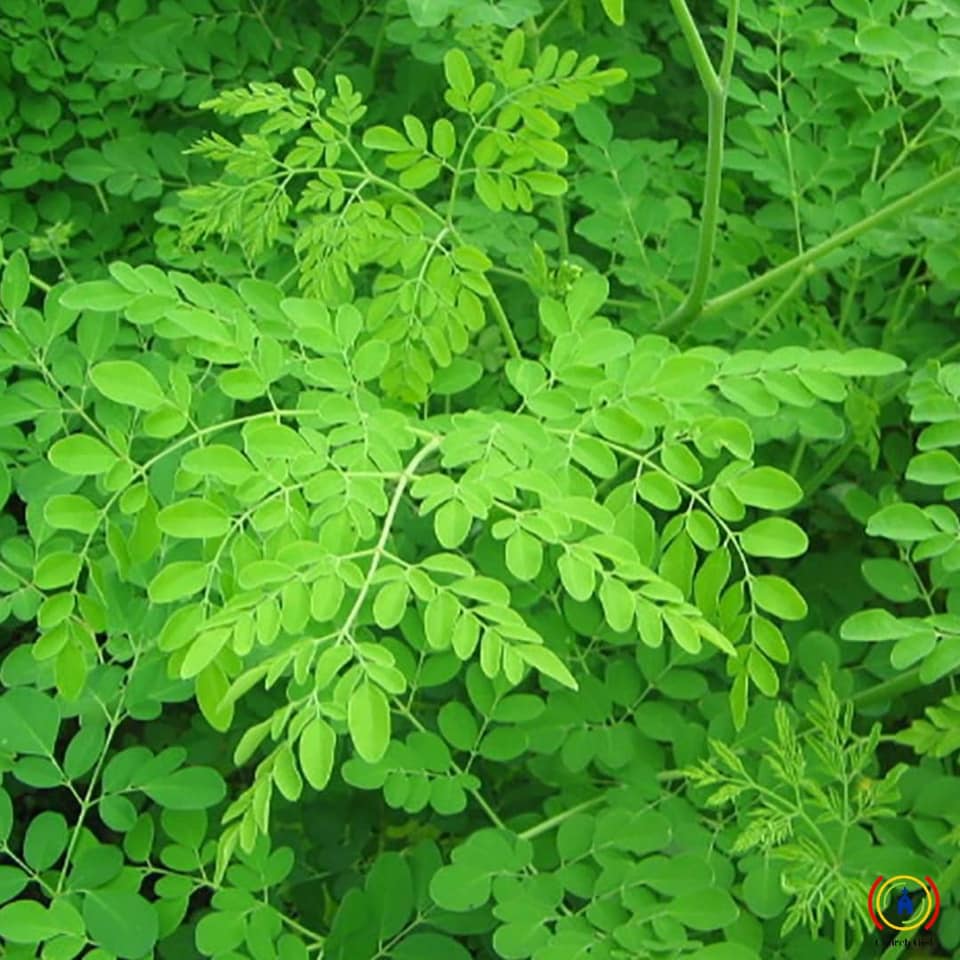
Moringa is a fairly large tree native to North India and presently common in Africa. It goes by a variety of names, such as drumstick tree, horseradish tree or ben oil tree.
Moringa is refered to by many as a ‘super-plant’ because of it multiple nutrients and benefits. Moringa is rich in proteins, calcuims, diverse Vitamins, Carotenoid, Pottasuim, calcuim, proteins and healthy fats.
Moringa seeds, leaves, roots and sterms can be used as powder, tea, vegetables or additive to soups.
In times of old, one of the reasons for war and famine in Africa as spoken by the prophets was punishment for a people who knew the value of nature and had begun to worship nature above God. Sincerely, nature remains a gift from God for our healing. Since nature had proven capable of protecting, keeping and sustaining them, they had stopped worshiping God and turned to nature.
However after all the famine, In God’s mercy, He promised to bring a plant to help take away their hunger.
Moringa has a record of helping against famishing and hunger by producing energy.
Adding moringa to your food, tea etc will help in the long run maintain energy and escape hunger. You can go long hours without food as moringa ensures energy. Moringa is therefore good for those fasting.
Here are 3 health benefits of Moringa oleifera that are supported by scientific research.
1. Moringa oleifera Is Very Nutritious;
Almost all parts of the tree are eaten or used as ingredients in traditional herbal medicines.
This especially applies to the leaves and pods, which are commonly eaten in parts of India and Africa.
Moringa leaves are an excellent source of many vitamins and minerals. One cup of fresh, chopped leaves (21 grams) contains .
Protein: 2 grams
Vitamin B6: 19% of the RDA
Vitamin C: 12% of the RDA
Iron: 11% of the RDA
Riboflavin (B2): 11% of the RDA
Vitamin A (from beta-carotene): 9% of the RDA
Magnesium: 8% of the RDA
Compared to the leaves, the pods are generally lower in vitamins and minerals. However, they are exceptionally rich in vitamin C. One cup of fresh, sliced pods (100 grams) contains 157% of your daily requirement.
However, there is one downside: Moringa leaves may also contain high levels of antinutrients, which can reduce the absorption of minerals and protein.
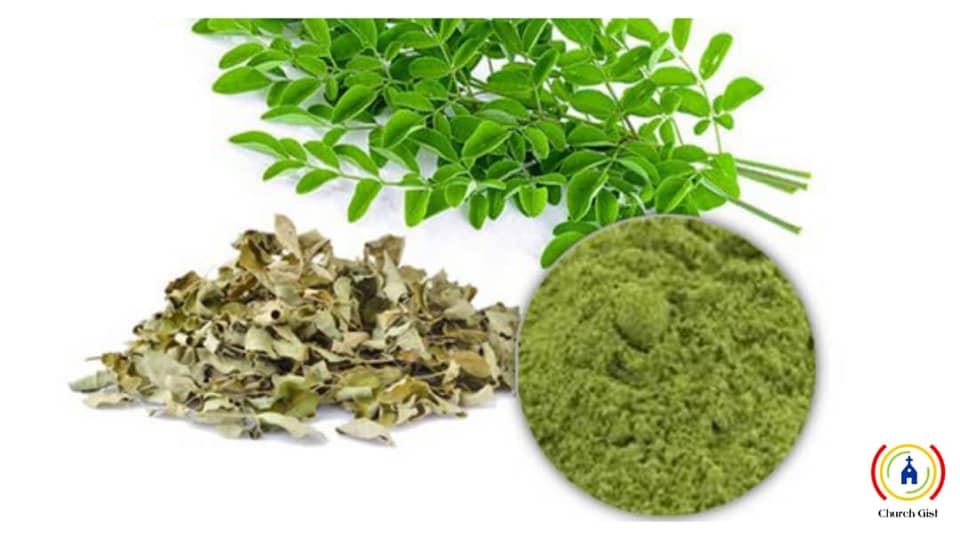
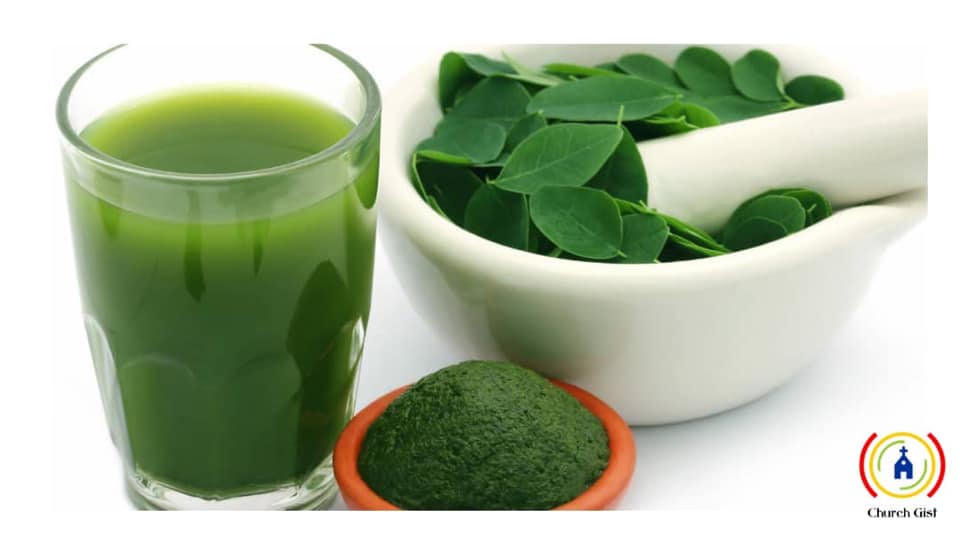
Another thing to keep in mind is that taking Moringa oleifera supplements in capsules won’t supply a large number of nutrients. The amounts are negligible compared to what you consume if you eat a balanced diet based on whole foods.
2. Moringa oleifera Is Rich in Antioxidants;
Antioxidants are compounds that act against free radicals in your body.
High levels of free radicals may cause oxidative stress, which is associated with chronic diseases like heart disease and type 2 diabetes .
Several antioxidant plant compounds have been found in the leaves of Moringa oleifera.
In addition to vitamin C and beta-carotene, these include;
Quercetin: This powerful antioxidant may help lower blood pressure .
Chlorogenic acid: Also found in high amounts in coffee, chlorogenic acid may help moderate blood sugar levels after meals .
One study in women found that taking 1.5 teaspoons (7 grams) of moringa leaf powder every day for three months significantly increased blood antioxidant levels (16).
Moringa leaf extract may also be used as a food preservative. It increases the shelf life of meat by reducing oxidation. Moringa leaf powder can increase blood antioxidant levels.
3. Moringa Can Lower Cholesterol
Having high cholesterol has been linked to an increased risk of heart disease.
Fortunately, many plant foods can effectively reduce cholesterol. These include flaxseeds, oats and almonds.
Both animal- and human-based studies have shown that Moringa oleifera may have similar cholesterol-lowering effects.
Moringa oleifera can lower your cholesterol levels, potentially reducing the risk of heart disease.
Sources
Atli Arnarson.com
SOLORG-Africa
Healthline.com
Join any of our Telegram Channels.
t.me/ChurchGist
t.me/CGWitness
Leave a comment Here OR any of these platforms:
Instagram
https://www.instagram.com/therealchurchgist/
Twitter
https://twitter.com/therealchurchg1
YouTube
https://www.youtube.com/channel/UCEco
