
By Leke Beecroft
The history of the RCCG is the most spectacular example of the process of religious rebranding in Nigeria. Similar to its doctrines, RCCG doctrinal practices are multi-layered, ranging from religious activities that take place at local congregations on a weekly basis to those that take place at the national level at monthly or annual basis. Monthly and annual religious events are held at the expansive Redemption Camp, a prayer ground that is slowly and steadily transforming into the first religiously founded city in Nigeria. Most of her practices, largely from the Model Parish arm have been exported from its Nigerian headquarters to other centres such as London, Paris, Amsterdam, New York, Toronto, Australia, Johannesburg, Dubai or Berlin.
Sunday is a sacred day for the church when its most important weekly service is held. Tuesdays are dedicated to a bible study service called “Digging Deep;” while Thursdays are for a special deliverance service called “Faith Clinic.” Both events take place in the late evenings to enable workers to attend. “Let’s-Go-A-Fishing” is an evangelistic outreach programme that is held during the week of Easter and Christmas. The RCCG does not celebrate Easter or Christmas in the traditional Christian sense but rather dedicates these periods to fishing for or “winning souls” to Christ.
By far the most popular event in the RCCG is the Holy Ghost Service (HGS), which was first held in March, 1986 and is held every first Friday of the month. The G.O indicates that the selection of that Friday was by divine inspiration. It is a night vigil event that starts at about 7pm on Friday to the early hours of Saturday, and attendance at HGS ranges from 300,000 to 500,000 or perhaps more. Since Adeboye was born in March, every March Holy Ghost Service (HGS) is tagged “Special” and lasts for a week instead of a night. The popularity of HGS has led to it being exported to other countries and university campuses, where it is called “Campus Holy Ghost Service.” Closely following the structure of HGS, and tapping into its popularity, is the Holy Ghost Congress (HGC), which is an annual version of HGS. Originally called Holy Ghost Festival, the first celebration of HGC was held in December, 1998-Popularly called Lekki ’98, that event announced the arrival of the RCCG on the global stage as a brand to be reckoned with universally. While the Church recorded 6.5 million in attendance with some 80,000 ushers and a 1,500 choir, the CNN estimated a 7.2 million attendance. It was initially a single night’s event, but it has since been expanded into a full week of activities. The most important annual event of the church is its National Convention, a period for the leadership and its members to congregate, share a common vision, and plan ahead for the following year’s activities. The annual convention takes place in the middle of August and lasts for a week. The RCCG thus begins effectively in August with thousands ordained into various roles and offices. Divine Encounter is an event designed for women’s need for children. It is held on the first Monday (morning) of each month for an hour. There is also the Ministers’ Conference that is held twice a year (May and August) when ministers of the church come together to discuss church life and to discipline and refresh themselves.
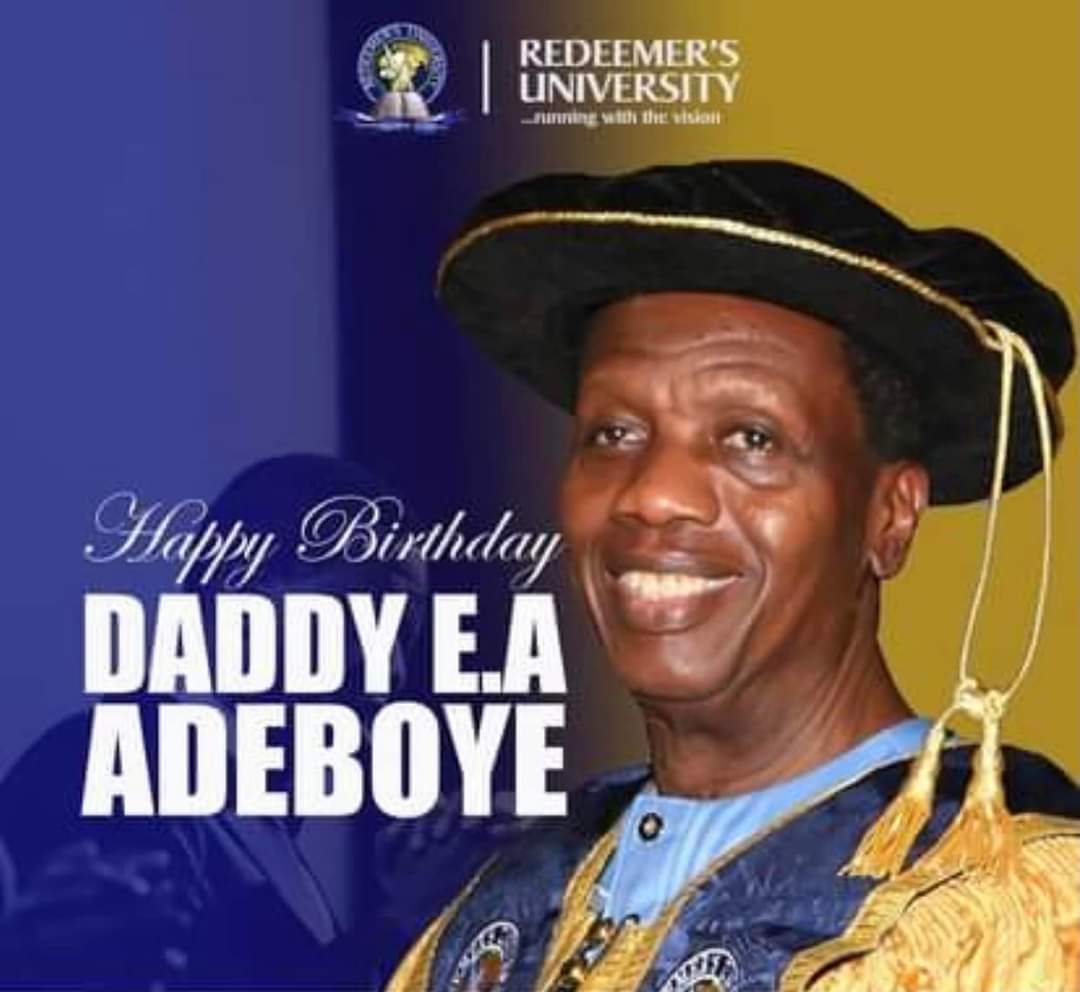
The RCCG started as an egalitarian movement of twelve individuals around the leadership and spiritual resources of a renegade prophet of C&S. However, as the church has expanded, it has bureaucratised and restructured its leadership to become almost exclusively male-dominated and ultra-hierarchical. Officially, the church says the Holy Spirit is its leader; however, it is human leaders who carry out the instructions vested with sacred authority. At the top of the pyramid of authority is the General Overseer (GO), Enoch A. Adeboye, whose words are law with divine sanction. (The GO is fondly called “Daddy GO,” and all the pastors are addressed as “Daddy” or “Mummy,” depending on their gender, by their congregants.) The GO holds office for life while all other pastors (except Mummy GO) must retire at the age of seventy. In principle, the Governing Council of the church is the next most powerful entity in the church; in practice, however, it is the spouse of the GO, Mrs. Folu Adeboye, who goes by the official title of “the Mother-in-Israel” (or the fond name of Mummy GO). As a mark of respect to authority as well as gerontocratic reverence, all pastors of the church defer to her. The Governing Council is made up of eighteen high-ranking, long-serving pastors. There was an office of Deputy General Overseer created in 1981 while the title was bestowed on Pastor Abiona ; the title of the office was changed to “Assistant General Overseer: in 1997 . In 2002 , six offices of Assistant General Overseers were created and filled by top pastors. The church has a set of “Special Assistants to the General Overseer” (SATGOs), the number of which varies from time to time. At one time there was only one SATGO, but in 2014 the number was increased to nineteen; the seven new additions are Regional Coordinators in charge of RCCG Global Regions: North America, South America, the United Kingdom, Europe, Northern Africa, Southern Africa, and the Middle East/Asia. Church Gist. Even though spiritual, administrative and financial power is concentrated in the person and office of the GO, the expansion of the governing council indicates the tension that exists between the tendency to monopolise charisma by concentrating it in one person (the GO) and in one place (the Redemption Camp) and the increasing clout of the church’s foreign missions in the resource mobilisation and decision-making process of the church. There is also a new administrative unit, called World Advisory Council (WAC), which meets every December during the HGC. As its name indicates, its function is to advise the governing council and raise proposals for its considerations. The WAC is made up of all former and current members of the governing council and all current and former Special Assistants to the GO.

The smallest unit of administration in the RCCG is the “House Fellowship,” a set of which constitutes a parish. A parish of RCCG may be as small as seven persons or as large as several thousand. As a matter of policy, the majority is however very small. A number of parishes make up an “Area,” while some “Areas” form a “Zone.” In order of complexity and ascending power, a set of “Zones” make up a “Province,” while a group of “provinces” make up a “Regional.” Each unit is headed and controlled by a pastor (officially called “pastor-in-charge of parish/area/region/zone/province”) who is subordinate and accountable to the officer above him. As of the middle of 2014 , there were twenty-eight provinces in Nigeria and well over 20,000 parishes.
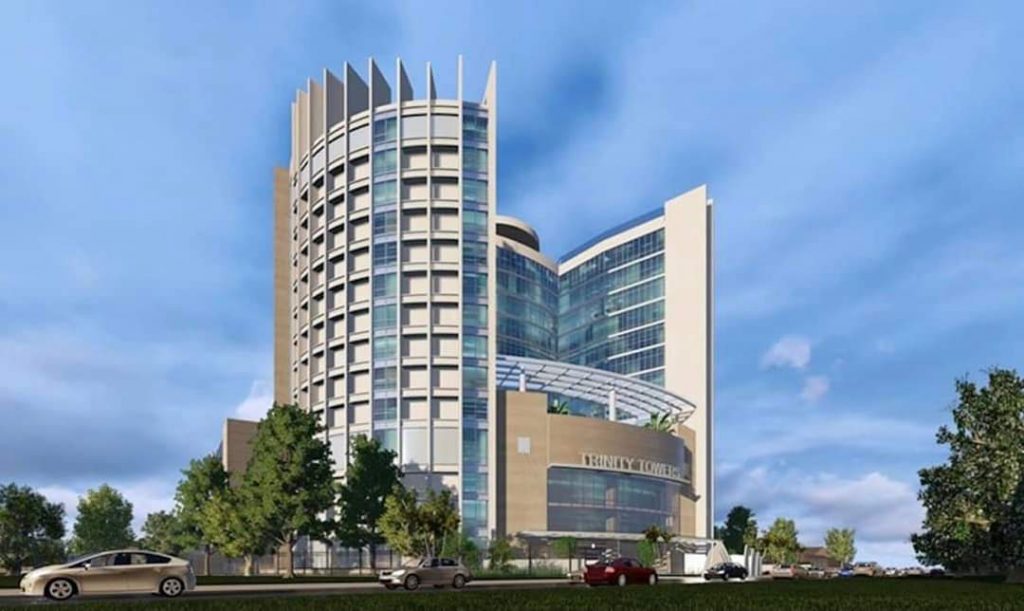
The RCCG clearly is the wealthiest religious organisation in Nigeria. Church Gist. To put this in historical perspective, in 1981 the church could not pay its workers’ salary of less than N 300 but could spend N 300 million on a day’s event in 1999. It is the single largest owner of private property in the country. The RCCG also has the largest religious site, The Redemption Camp, in Nigeria. In 2012 , it measured more than 15,400 hectares, a considerable increase from 7,700 hectares in 2010 . The Redemption Camp is the largest physical space dedicated to religion in Africa. The church aggressively expands its land holding to accommodate its vision of constructing a city of God that will be like no other in Nigeria. What started as a prayer camp in 1983 (measuring a mere 14.25 acres) now encompasses more than 2,500 distinct buildings . The Redemption Camp has a population of about 20,000, and it is the site of three mega centres including a 750 metres by 1,000 metres auditorium-The Arena as well as a 3km by 3km venue-The New Arena. It also houses the church’s university (Redeemer’s University) which has relocated in part to a new site outside the camp, a maternity, and five banks, among other structures. The Camp is self-sustaining: it supplies about 8,800,000 litres of water per day for its inhabitants and 10.4 megawatts of electricity power from two gas turbines constructed in 2010 . The Camp is divided into twenty-two zones, containing more than nine residential estates for member-owners. Church Gist. By church law only church members are allowed to buy housing units and live within the walls of the Camp. About forty percent of the residential housing units are built and owned fully by members. The rest are built and owned by mortgage companies owned fully by the church that sell their property to eligible members. As the church expands in membership, so also it converts urban landscape as a testimony to its economic and political power and strength.
For many Nigerian Pentecostal organisations, leadership transition periods are moments of monumental crisis; RCCG survived one such crisis in 1980/1981 . Another transition period is approaching with the advance in age of its present leader. Heading RCCG is not just about leading a spiritual or religious entity; it is in literal and practical terms to be in total control of an impressive economic and political organization and empire that stretches from the West Coast of Africa to the shores of Australia, New Zealand, Canada and China. With its enormous wealth and property, it is obvious that leadership position in the church is now more attractive than ever. However, as the Nigerian diaspora grows and institutionalises, so also the RCCG is expected to consolidate its global outposts, its wealth and power, these challenges notwithstanding.
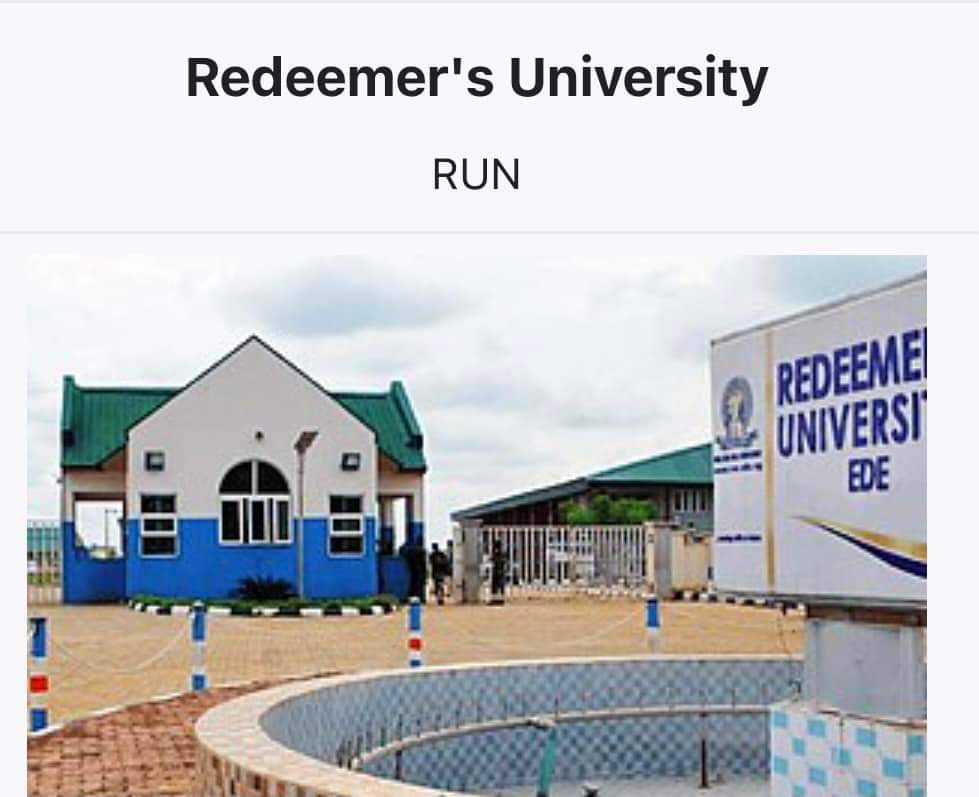
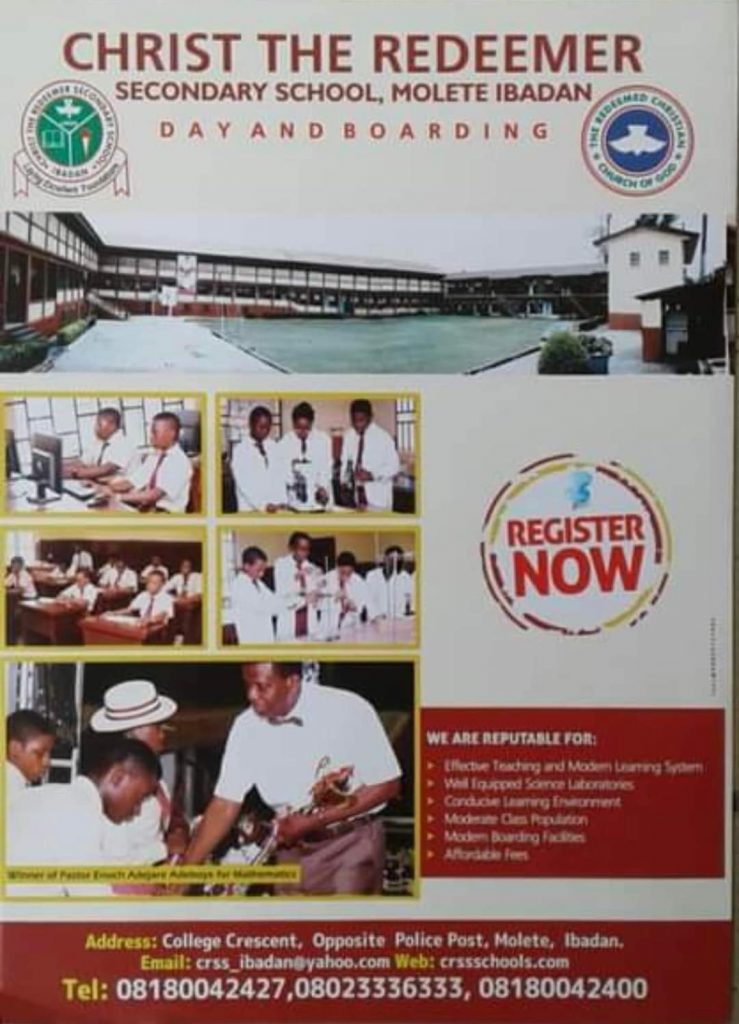
One of the last bastions of disobedience by Adeboye was in the establishment of schools. As was mentioned in Part 1 of this article, Akindayomi had instructed the the RCCG would own no schools. This was the time CAC had virtually run into debt for failure to maintain its 20 secondary schools which she eventually literally begged the government to take over. Adeboye throught the Christ the Redeemer’s Ministries (CRM) which he independently founded thus took on the gauntlet through Mummy Folu Adeboye and even Tony Rapu and began to establish schools from nursery to secondary now numbering about 200 nursery and primary and 10 secondary schools in total. Eventually in 2005, RCCG got license to operate a full fledged conventional university, the Redeemers University of Nations (RUN) which has now moved to her permanent site. There are plans to start a similar institution in Houston, Texas, University. Due to his intimate relationship with the Nigerian university system, he has recently endowed a professorial chair in mathematics in four universities in the country, namely, the University of Ibadan, Obafemi Awolowo University, Ile-Ife, the University of Lagos, and the University of Nigeria, Nsukka.)
While the RUN and other institutions owned by RCCG continue to be targeted by critics for collecting fees to maintain these schools, they continue to grow in leaps and bounds and it is unlikely that they will fail like the mission owned academic institutions of the 70s when schools were unable to sustain unrealistic scholarship programs with plenty of good government owned alternatives, ironically a period of oil boom in the country while the Church was in financial doom. The tables have turned and Papa Akindayomi is probably smiling at Adeboye’s disobedience.
By 10 January 2001, Esther Akindayomi (Mother in Israel), widow of Josiah Akindayomi, died in Lagos instructively marking the end of the first phase of RCCG: Her emergence in the 19th century.
The RCCG has evolved to become the most complex pentecostal organisation in Nigeria, a church of distinction with many doctrinal, liturgical and historical layers and hues . It evolved from an Aladura church, imbibing the emphasis on prayer and fasting and other spiritual techniques in the management of life’s crises.
Leading lights such as Osinbajo, Agu Irukwu and James Fadele among others have risen as leading lights of the Church globally. At the time of establishing the Redemption Camp in Texas, local Americans complained and were initially suspicious. After series of low key investigations, they admitted that their fears were unfounded and came to identify with the largest indigenously established and still growing black Church (even though the Church would not have that name). In 2008, the Newsweek in her top 50 influential polls announced Adeboye in 37th position. Adeboye and the Pope were the only clergy on the list while the rest were political leaders.
In his Interviews with Al Jazeera and CNN early this decade, it had become obvious that the RCCG was now a global brand. Locally, presidents visit from Obasanjo to Jonathan to Buhari and even governors, past and present such as Lagos Governor Ambode have boldly identified with the ministry which is now established in about 200 countries.
Today the RCCG is the fastest growing Pentecostal church in the world with about 8 million adherents in over 40,000 parishes across 196 countries in all the six continents of the world-the brand logo remains the white dove, a symbol of the Holy Spirit encircled with the name of the Church, a logo that Akindayomi has warned must NEVER be changed nor redesigned until the trumpet sounds.
